Not every shipment needs a plane or a ship. For moving goods within the UAE — or across the border into Saudi Arabia, Oman, and the wider GCC — road freight is usually faster, cheaper, and far more flexible than either. That’s why land transport companies in Dubai handle a huge share of the region’s daily cargo movement, from container haulage out of Jebel Ali to inter-emirate deliveries and construction material transport. This guide covers what land transport companies actually do, the different truck types and when to use each, and what affects pricing. You’ll also find a practical checklist for choosing a trucking partner that won’t leave your cargo sitting at a loading bay.
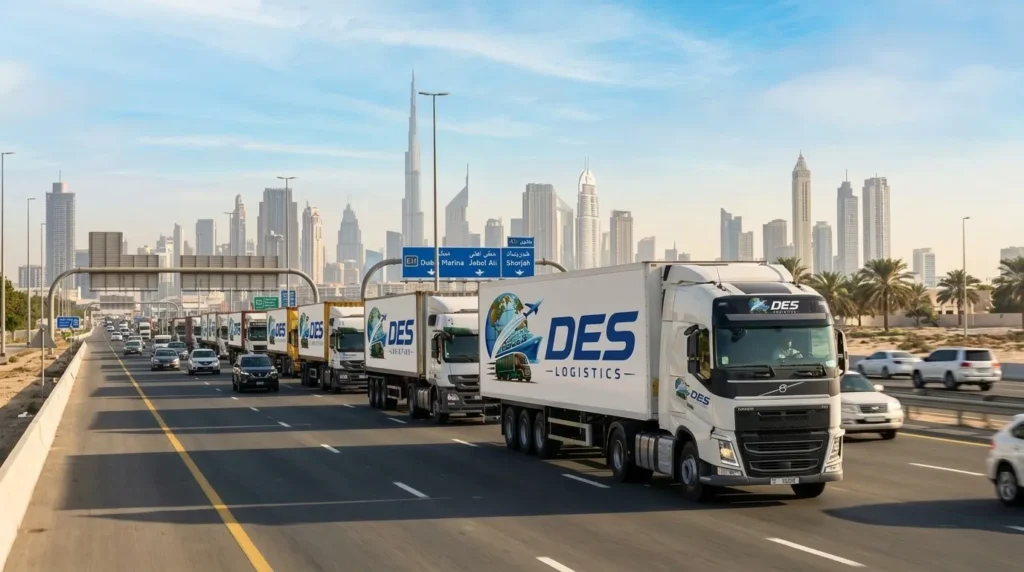
What Do Land Transport Companies in Dubai Do?
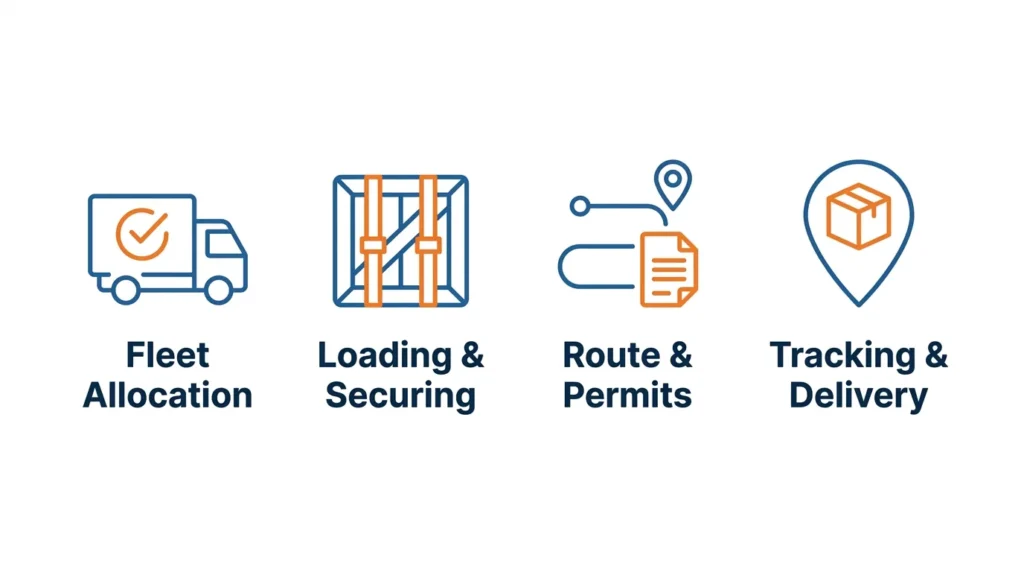
A land transport provider moves goods by road, but a full-service company handles considerably more than just driving:
- Fleet allocation based on cargo type, weight, and dimensions
- Loading, securing, and unloading coordination
- Route planning and permit management for oversized loads
- Cross-border documentation for GCC shipments
- Container haulage between ports, free zones, and warehouses
- Real-time tracking and delivery confirmation
Because road freight often forms the first and last mile of a larger shipment, a reliable transport company is frequently what determines whether an international delivery actually arrives on schedule.
Types of Trucks & Trailers Used by Trucking Companies
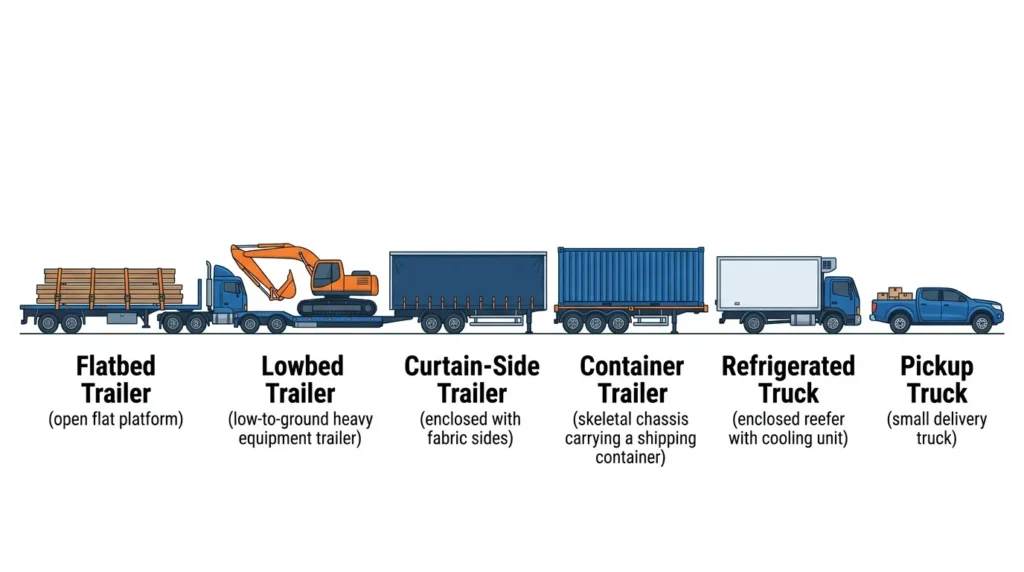
One of the most important things to get right is matching the vehicle to the cargo. Most trucking companies in Dubai operate a mix of the following:
Flatbed Trailers Open platforms ideal for heavy machinery, steel, construction materials, and oversized cargo that can be loaded from the side or top.
Lowbed / Low-Loader Trailers Built low to the ground for transporting tall or extremely heavy equipment — excavators, cranes, and industrial machinery.
Curtain-Side Trailers Enclosed with retractable fabric sides, offering weather protection while still allowing fast side loading. Common for palletized goods and general cargo.
Container Trailers (Skeletal Chassis) Purpose-built to carry 20ft and 40ft shipping containers, typically used for port-to-warehouse haulage.
Refrigerated Trucks (Reefers) Temperature-controlled units for perishables, pharmaceuticals, and food products.
Pickup & Small Trucks (1–7 tonne) For lighter loads, urban deliveries, and last-mile distribution within Dubai.
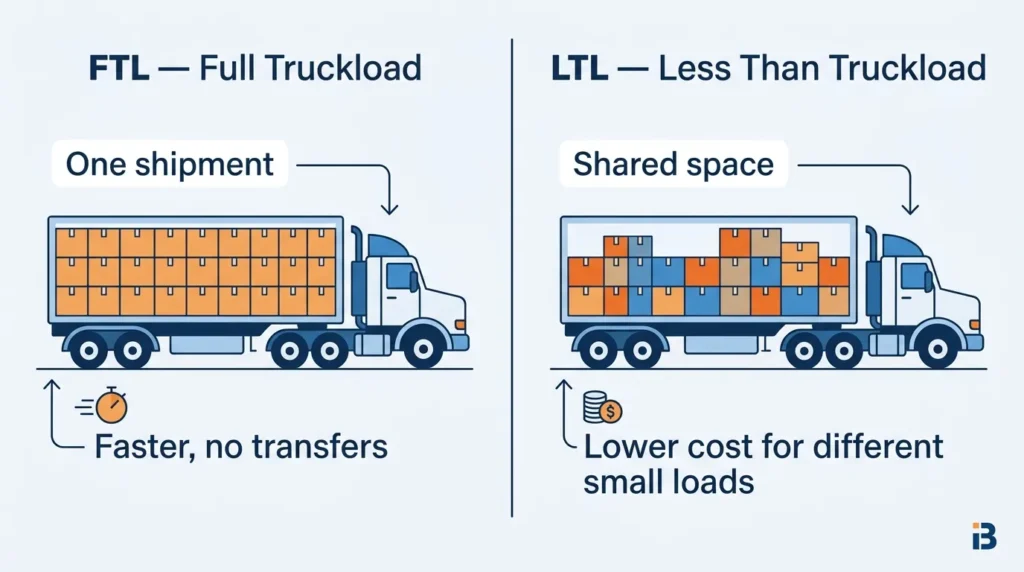
FTL vs LTL — Which Do You Actually Need?
Full Truckload (FTL)
- The entire truck is dedicated to your shipment
- Faster, since there are no additional stops or transfers
- More cost-effective when you have enough volume to fill a truck
- Lower handling risk, as cargo isn’t moved between vehicles
Less than Truckload (LTL)
- Your cargo shares space with other shipments
- Cheaper for smaller volumes since you only pay for the space you use
- Slightly longer transit times due to consolidation and multiple drop-offs
- Well suited for regular small-volume deliveries
Truck Transport Companies in UAE — Coverage Beyond Dubai
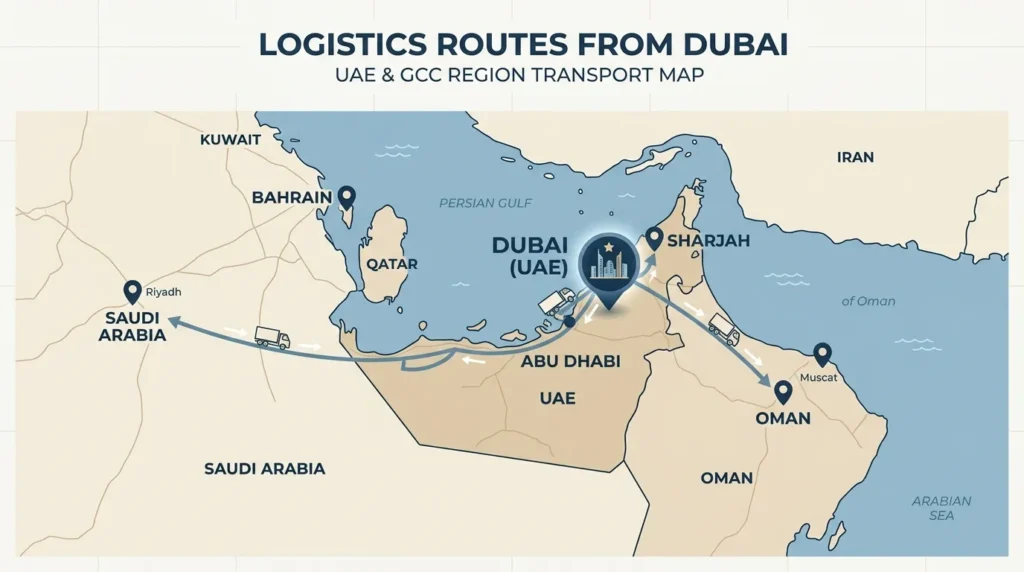
While Dubai handles the highest volume, truck transport companies in UAE typically operate nationwide and across borders:
- Inter-emirate routes — Dubai to Abu Dhabi, Sharjah, Ajman, Ras Al Khaimah, and Fujairah
- Port haulage — Jebel Ali Port, Khalifa Port, and Port Rashid to inland warehouses and free zones
- GCC cross-border — Saudi Arabia, Oman, Qatar, Bahrain, and Kuwait, which requires additional customs documentation and border permits
- Free zone connections — JAFZA, DAFZA, DIP, and KIZAD, where bonded movement rules often apply
Cross-border road freight adds a customs layer that purely domestic transport doesn’t, so if you’re shipping into Saudi Arabia or Oman regularly, confirm the company has genuine experience with those specific border crossings.
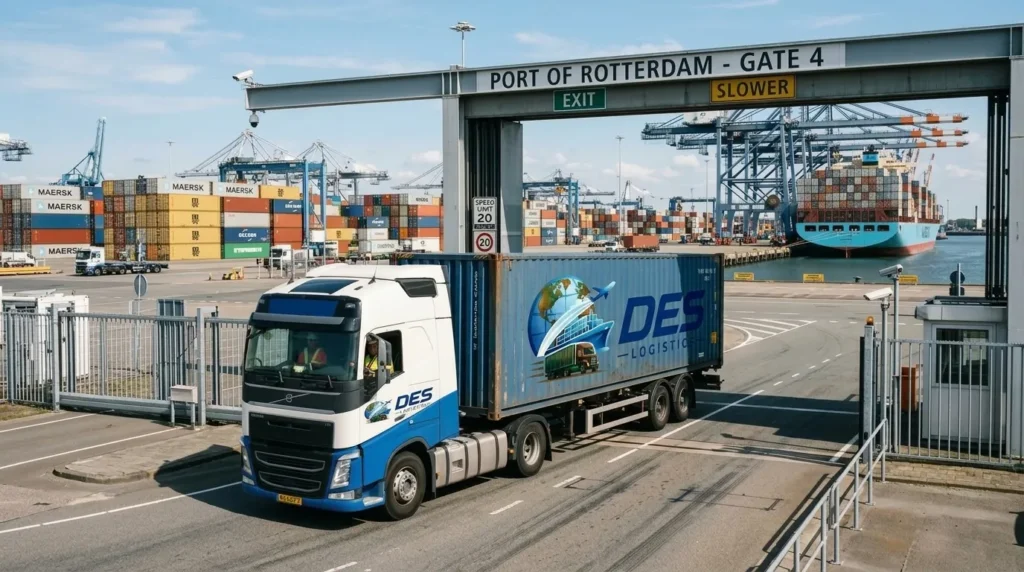
Container Transport Companies in Dubai
Container transport companies in Dubai specialize specifically in moving 20ft and 40ft containers between ports, free zones, and inland destinations. This is a distinct specialization because it requires:
- Skeletal chassis trailers built specifically for container handling
- Coordination with port terminal appointment systems
- Awareness of demurrage and detention deadlines (containers left too long accrue daily charges)
- Bonded movement capability for free zone to mainland transfers
If your business regularly imports via Jebel Ali, a dedicated container haulage provider will usually be faster and more cost-effective than a general trucking company handling it as a side service.
How to Find Reliable Transport Companies Near You
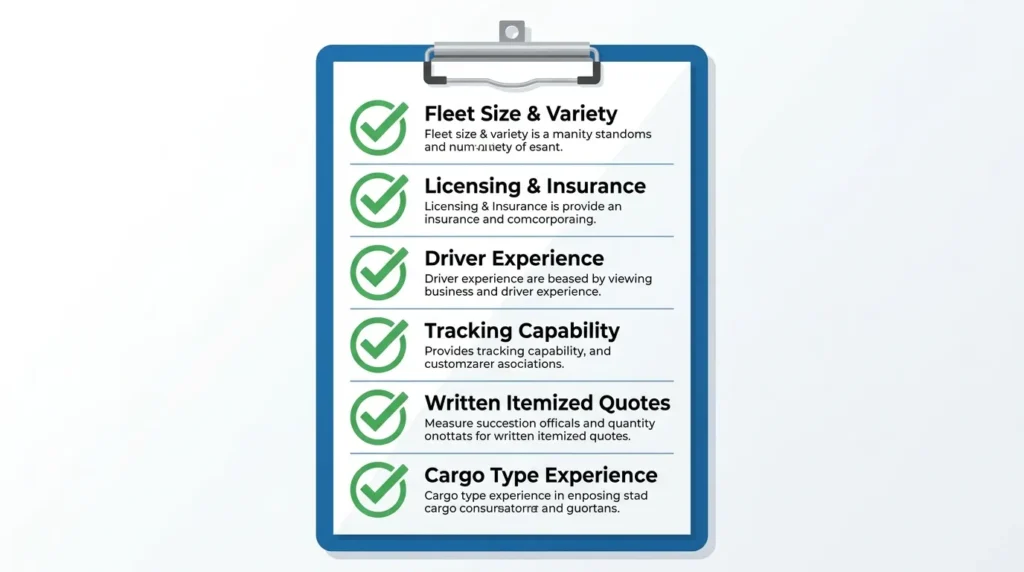
Searching for transport companies near me typically means you want quick response times and local availability. Beyond proximity, check:
- Fleet size and variety — A company with its own diverse fleet can respond faster than one subcontracting every job
- Licensing and insurance — Confirm valid commercial transport licensing and cargo insurance coverage
- Driver experience — Particularly important for oversized, hazardous, or high-value loads
- Tracking capability — You should be able to see where your shipment is without calling
- Written, itemized quotes — Avoid verbal-only pricing that changes after delivery
- Experience with your cargo type — Construction material transport is very different from temperature-controlled food delivery
What Affects Land Transport Pricing
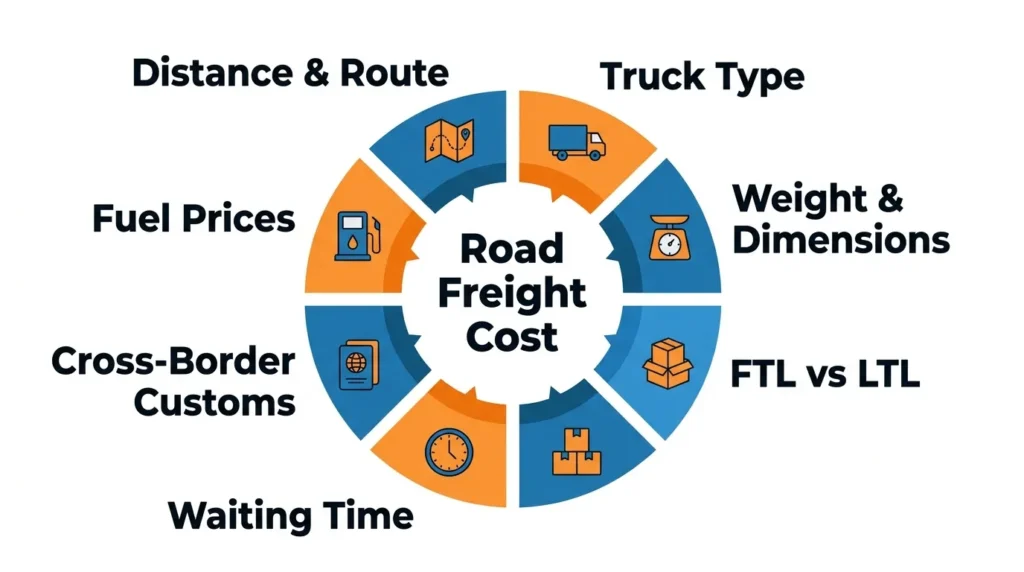
Road freight rates in the UAE depend on several factors:
- Distance and route — Inter-emirate trips cost less than GCC cross-border runs
- Truck type required — Specialized equipment (lowbed, reefer) costs more than standard flatbeds
- Weight and dimensions — Oversized loads may require permits and escort vehicles
- FTL vs LTL — Dedicated truckloads cost more upfront but less per unit at volume
- Waiting time / detention — Delays at loading or unloading points often incur hourly charges
- Cross-border customs — International road freight includes clearance fees and border processing costs
- Fuel prices — Rate adjustments follow fuel cost fluctuations
Industries That Rely Most on Land Transport in Dubai
- Construction — Steel, cement, aggregates, and heavy equipment movement
- Retail & FMCG — Distribution from warehouses to stores across the emirates
- Manufacturing — Raw material inbound and finished goods outbound
- E-commerce — Last-mile and middle-mile distribution networks
- Oil & gas — Specialized equipment and project cargo movement
Frequently Asked Questions
What’s the difference between land transport and freight forwarding? Land transport specifically refers to moving goods by road, while freight forwarding is a broader service that coordinates shipments across air, sea, and land, including customs documentation.
What’s cheaper — FTL or LTL? LTL is cheaper for smaller shipments since you only pay for the space you use, while FTL becomes more cost-effective once you have enough volume to fill a truck, and it’s also faster with less handling.
Do land transport companies in Dubai handle GCC cross-border shipments? Many do, but cross-border transport requires additional customs documentation and border permits. Always confirm a company’s specific experience with your destination country before booking.
Which truck type do I need for my cargo? It depends on the load — flatbeds for heavy or oversized goods, lowbeds for tall machinery, curtain-side for palletized general cargo, container trailers for shipping containers, and reefers for temperature-sensitive items.
How do I find reliable transport companies near me in Dubai? Look for licensed providers with their own fleet, cargo insurance, real-time tracking, and written itemized quotes rather than choosing based solely on proximity or the lowest verbal price.
What is container haulage and do I need a specialist for it? Container haulage is the road movement of shipping containers between ports, free zones, and warehouses. A specialist is usually worth it if you import regularly, since they understand port appointment systems and demurrage deadlines.
Final Thoughts
Choosing among land transport companies in Dubai comes down to matching fleet capability, route coverage, and pricing transparency to what you’re actually moving. A construction company hauling steel has very different needs from a retailer running daily inter-emirate distribution. Use the truck type breakdown, FTL vs LTL comparison, and checklist above to narrow your options before requesting quotes — it makes comparing providers far more meaningful than simply asking who’s cheapest.