You’re ready to import. The supplier has packed the goods, the freight forwarder wants the shipment details, and then a small field on the declaration form stops everything: your UAE HS code. This single classification number determines your duty rate, your VAT treatment, and how fast — or how slowly — your shipment clears customs. Getting it wrong doesn’t just mean paperwork delays; it can mean incorrect duty payments, rejected declarations, or cargo held at the port. This guide covers everything you need to know about the UAE HS code system: how to find the right one, the major 8-digit to 12-digit transition underway at Dubai Customs, and where to get the official lists for accurate classification.
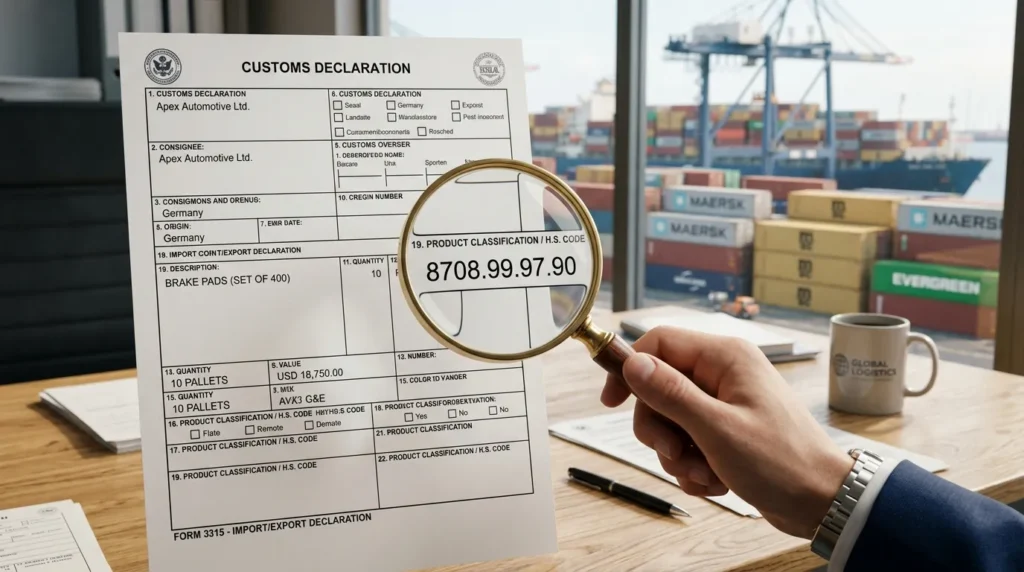
What Is an HS Code?
An HS code (Harmonized System code) is an internationally standardized numerical code used to classify traded products. Developed and maintained by the World Customs Organization (WCO), it’s the system customs authorities worldwide use to determine:
- The applicable customs duty rate
- VAT and excise tax treatment
- Whether a product is restricted, prohibited, or requires special permits
- Trade statistics and reporting
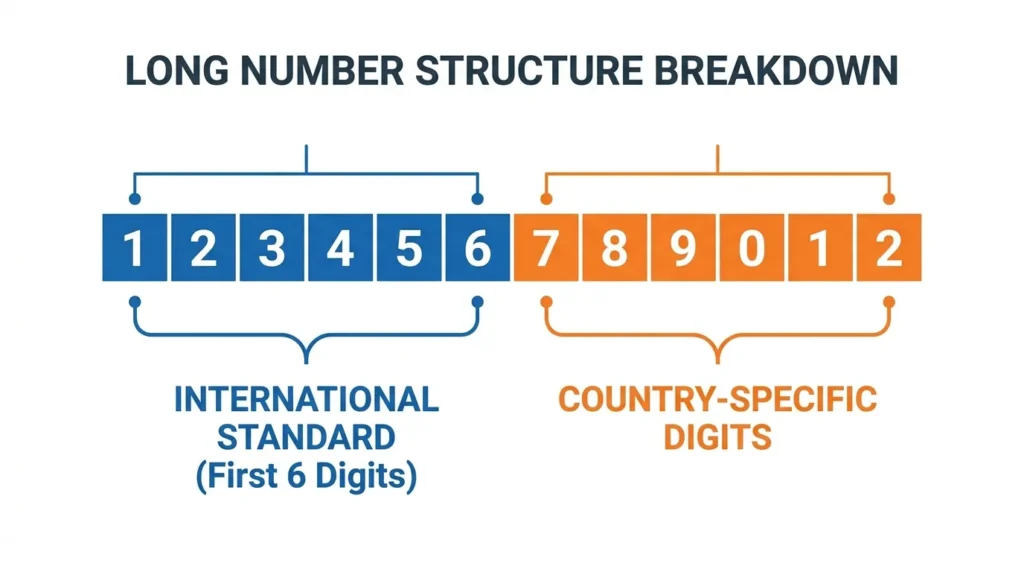
The first 6 digits of an HS code are universal — recognized the same way in every country that uses the Harmonized System. Countries then add extra digits for national classification needs. This is exactly where the UAE’s current transition matters.
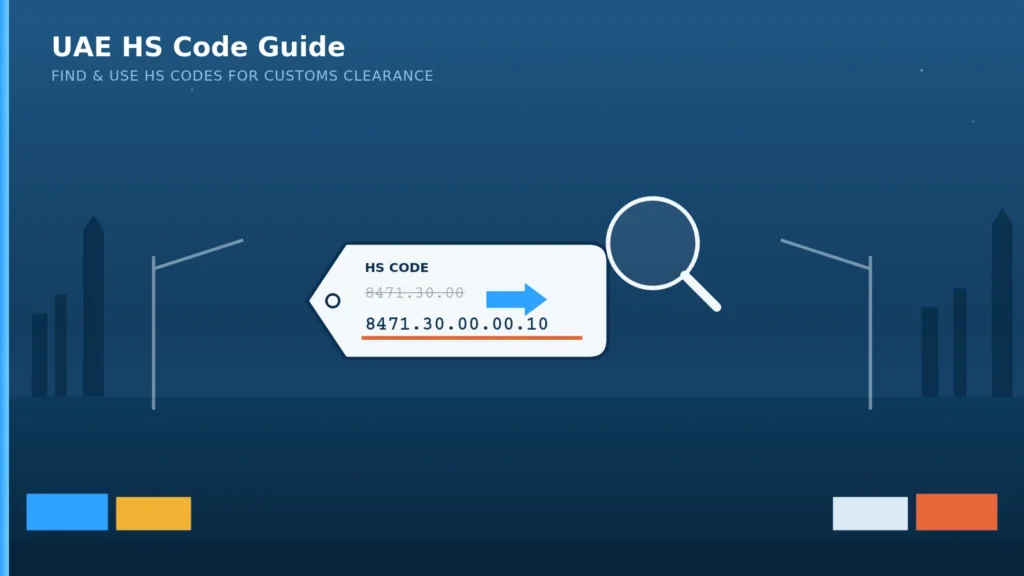
HS Code Dubai: The Shift from 8-Digit to 12-Digit
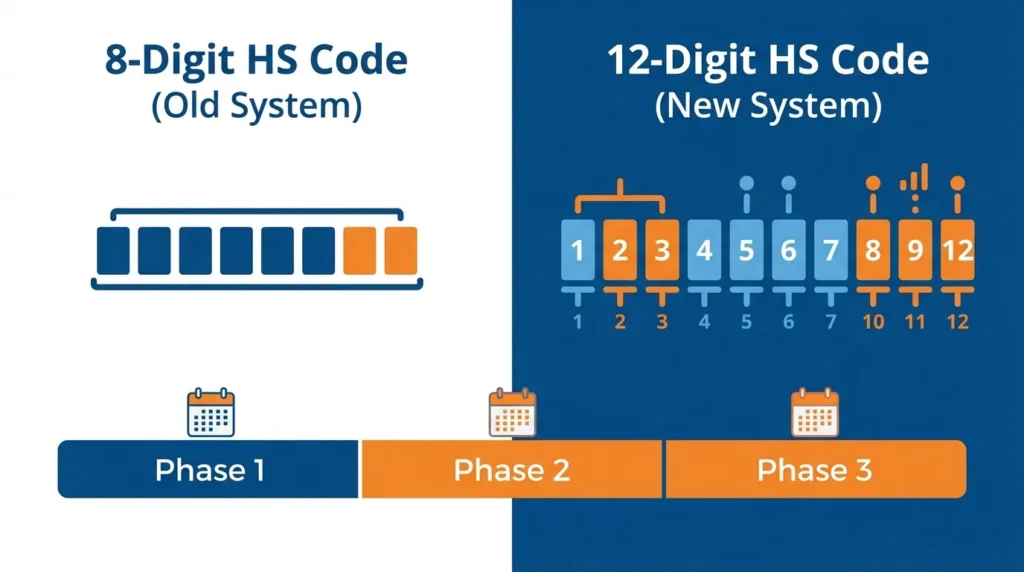
This is the single most important update for anyone dealing with HS codes in Dubai right now. Dubai Customs — aligning with the rest of the GCC — is transitioning its national tariff nomenclature from an 8-digit system to a 12-digit system, nearly doubling the number of tariff codes to allow far more precise product classification.
The rollout is happening in phases:
- Phase 1 — 12-digit codes apply to GCC-bound shipment declarations, while the old 8-digit system continues to run in parallel
- Phase 2 — Expansion to imports moving from Free Zones and Customs Warehouses into the mainland
- Phase 3 — Full application to all imports arriving in the UAE from the rest of the world
Once a phase becomes mandatory, using an outdated 8-digit code on a declaration can lead to processing delays, rejected filings, or compliance issues. If your business regularly imports into the UAE, this is the moment to update your ERP, inventory, and customs systems to handle 12-digit codes — and to double-check any HS code list you’re currently relying on isn’t outdated.
How to Find Your HS Code in the UAE
There are several reliable ways to identify the correct HS code for your product, ranging from free official tools to professional classification help:
- Dubai Customs HS Code Search Tool — The official lookup tool on the Dubai Customs website lets you search by product description and returns the applicable code, duty rate, and any restriction status.
- Al Munasiq (AI Classification Platform) — Dubai Customs’ newer AI-powered tool predicts HS codes based on product details, streamlining classification and reducing manual errors.
- Dubai Trade Portal — Alongside customs declarations, the Dubai Trade platform publishes classification resources and official tariff documentation.
- A Licensed Customs Broker or Freight Forwarder — For complex, high-volume, or ambiguous products, a broker can request an official classification ruling on your behalf, giving you legal certainty before you ship.

Where to Get the Full HS Code List for the UAE
If you’re managing multiple SKUs or need to cross-reference codes in bulk, you’ll want the official reference list rather than searching product by product:
- Dubai Customs / Dubai Trade publish the Integrated Customs Tariff, which includes HS codes, customs duty rates, Free Trade Agreement preferences, anti-dumping rates, VAT and excise tax details, and any restrictions — available as an official downloadable document.
- The Federal Customs Authority also maintains the national tariff schedule that applies across all UAE emirates, useful if you’re not importing exclusively through Dubai.
- For large product catalogs, a logistics partner can provide a legacy conversion service, mapping your existing 8-digit code database to the new 12-digit system rather than updating every line manually.
Common HS Code Classification Mistakes to Avoid
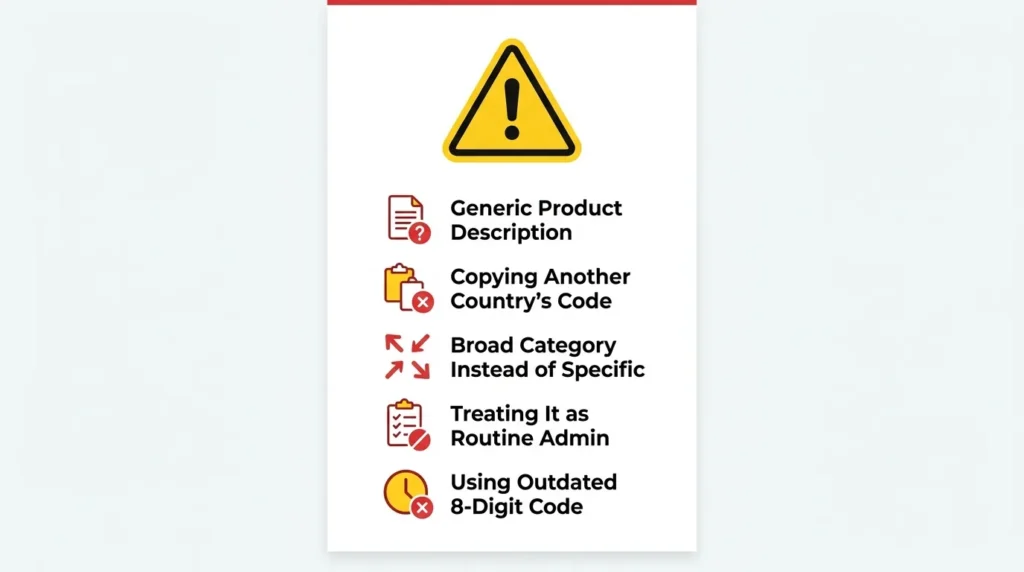
Most classification errors come down to a handful of recurring habits:
- Using a supplier’s generic product description instead of verifying the actual customs classification
- Copying a code used in another country, assuming it applies the same way in the UAE
- Stopping at a broad category instead of finding the more specific subheading that actually matches the product
- Treating classification as routine admin work — when in reality it directly affects duty rate, VAT treatment, and landed cost
- Continuing to use an 8-digit code after the phase in which 12-digit codes become mandatory for your shipment type
Each of these can trigger the same outcome: a held shipment, a corrected declaration, or an unexpected duty bill.
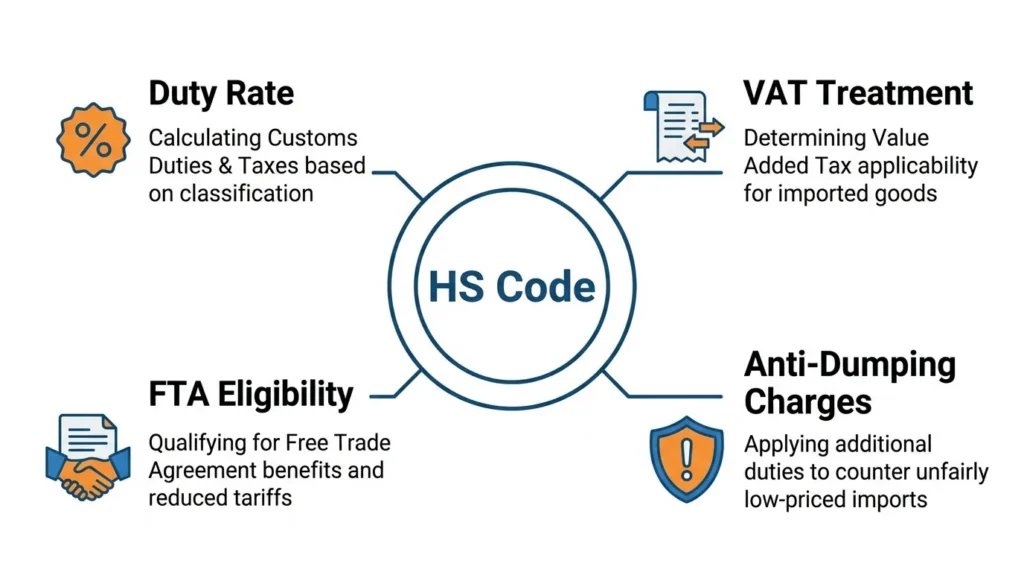
How HS Codes Affect Duty and VAT
The HS code isn’t just an identifier — it’s the direct input that determines what you pay:
- Customs duty rate — The UAE applies a standard rate of around 5% of CIF (Cost, Insurance, Freight) value to most goods, but the exact rate is set at the HS code level and varies by product category
- VAT treatment — Import VAT calculation follows the classification and value declared under the relevant code
- Free Trade Agreement eligibility — Some HS codes qualify for reduced or zero duty under FTAs, but only if classified correctly
- Anti-dumping and safeguard charges — Certain codes carry additional charges tied to country of origin or manufacturer, calculated automatically once the correct classification is applied
Using HS Code Data for Trade Research
Beyond customs clearance, HS code data is a valuable research tool. UAE import and export statistics are published and organized by HS code, which allows businesses to:
- Analyze which products are being imported into or exported from the UAE in specific categories
- Benchmark competitor import volumes in a given product line
- Identify emerging demand trends before entering a new market
- Support market-entry and sourcing decisions with real trade volume data rather than assumptions
This kind of HS-code-level trade data is typically available through official trade statistics portals or specialized trade intelligence providers.

When to Get Help from a Customs Broker or Clearing Agent
If you’re managing a large product catalog, dealing with ambiguous classifications, or navigating the 12-digit transition across multiple SKUs, doing this manually becomes both time-consuming and risky. A licensed customs clearance partner can:
- Request official classification rulings to eliminate guesswork
- Map your existing product database to the new 12-digit system
- Monitor customs notices for reclassifications that might affect your products
- Handle the declaration process end-to-end so classification errors don’t hold up your shipment
For businesses managing recurring imports, this is usually a far more reliable approach than relying on generic online lookup tools alone.

Frequently Asked Questions
What is an HS code used for? An HS code classifies traded goods for customs purposes, determining the applicable duty rate, VAT treatment, and whether any restrictions or permits apply to the shipment.
Is the UAE moving to a 12-digit HS code system? Yes. Dubai Customs, aligned with the wider GCC, is transitioning from an 8-digit to a 12-digit HS code system in phases, extending the international 6-digit code with additional digits for national and regional specificity.
Where can I find the official HS code list for the UAE? The Integrated Customs Tariff is published by Dubai Customs and Dubai Trade, and includes HS codes, duty rates, FTA preferences, and restriction details. The Federal Customs Authority also maintains a national tariff schedule.
How do I know if I’m using the correct HS code? Use the official Dubai Customs HS code search tool or the Al Munasiq AI classification platform to verify your product’s code, or consult a licensed customs broker for a formal classification ruling if the product is ambiguous.
What happens if I use the wrong HS code? An incorrect HS code can lead to delayed customs clearance, incorrect duty or VAT charges, rejected declarations, or in some cases, penalties for non-compliance once the correct code becomes mandatory.
Do I need a customs broker to classify my products? Not always — many businesses classify straightforward products themselves using official lookup tools. However, for complex products, high shipment volumes, or the 12-digit transition, a customs broker or clearing agent can reduce risk and save significant time.
Final Thoughts
Getting your HS code right isn’t just a compliance checkbox — it directly affects your duty costs, clearance speed, and how smoothly your shipment moves through Dubai Customs. With the UAE’s shift to 12-digit codes now underway, it’s worth reviewing your product classifications sooner rather than later, whether you handle it in-house using official tools or work with a customs clearance partner who can manage the transition for you.